
As temperatures drop across Lancaster and surrounding Pennsylvania communities, preparing your home for winter becomes essential. At Trademark Real Estate Services, we want every resident to stay warm, protect their home, and avoid preventable maintenance problems throughout the colder months.
Our Winter Home Maintenance Tips for Renters will help you care for your heating system, prevent frozen pipes, follow snow and ice removal requirements, and keep your household safe. Whether your home uses oil, propane, natural gas, electric baseboard heat, or a heat pump, understanding your heating system and following these recommendations can help prevent costly damage and keep your home comfortable all winter long.
Every home is different, so please read the sections that apply to your property and keep this guide handy throughout the winter. If you have questions about your heating system, utility responsibilities, or winter maintenance requirements, visit Trademark Real Estate Services and our team will be happy to assist you.
Who Is Responsible for Paying for Heat?
Before the heating season begins, review your lease to confirm whether you or the property owner is responsible for heating costs.
If you pay for heat:
- Keep your utility account in your name and current.
- Schedule and pay for oil or propane deliveries as needed.
- Monitor fuel levels to avoid running out during cold weather.
- Maintain heat in your home to prevent frozen pipes and related damage.
If the property owner pays for heat:
- Trademark Real Estate Services will coordinate fuel deliveries and utility service as applicable.
- Notify us promptly if fuel levels appear low, your home isn’t staying warm, or you receive a utility or fuel company notice.
Running out of fuel or losing utility service can leave your home vulnerable to frozen or burst pipes. Please take your heating responsibilities seriously to protect your home and prevent avoidable damage.
If you are unsure about your responsibilities, contact us through our online contact page.
Winter Heating Tips by Fuel Type
Homes Heated With Oil
Oil-heated homes require regular monitoring to ensure the tank never runs empty. When a tank runs out of oil, the heating system may draw air and sludge into the fuel line. Restarting the system can require a professional service call.
Follow these tips to keep your oil heating system operating properly:
- Check your oil gauge weekly. Most tanks have a gauge marked Full, 3/4, 1/2, 1/4, and Empty.
- Order oil when the tank reaches 1/4 full. Cold weather, storms, and high seasonal demand can delay deliveries by several days.
- Consider automatic delivery. If you pay for your own heating oil, ask your supplier about automatic delivery or budget payment plans.
- Keep the fill pipe accessible. Clear snow, ice, vehicles, and stored belongings from the path to the oil fill pipe.
What if your oil tank runs empty?
Contact your oil supplier immediately. Then submit an emergency maintenance request online and call Trademark Real Estate Services at 717-947-3900, Extension 2.
Do not repeatedly attempt to restart the burner. Pressing the reset button more than once can flood the system with oil and create a fire or other safety hazard.
Homes Heated With Propane
If your home uses an outdoor propane tank, check the tank gauge regularly.
- Order a refill when the tank reaches approximately 30%. This helps reduce the risk of running out during a cold spell.
- Keep the tank accessible. Clear snow and ice from the path to the tank so delivery drivers can reach it safely.
- Keep the tank and regulator clear of snow and ice. Never damage or forcefully remove ice from equipment.
If your propane tank runs completely empty, the supplier may need to perform a leak check before restoring service. This can create additional delays and costs.
Homes Heated With Natural Gas
For homes connected to a natural gas utility:
- Keep your gas account current if you are responsible for payment.
- Clear snow and ice from the gas meter and outdoor vents.
- Use a broom rather than a shovel when clearing snow around the gas meter to avoid damaging equipment.
- Notify us immediately if you receive a shutoff notice and the property owner is responsible for the heating service.
If you need assistance, submit an emergency maintenance request online and call 717-947-3900, Extension 2.
How to Care for Your Heating System
Proper maintenance helps your heating system operate efficiently and reduces the risk of unexpected breakdowns.
Furnaces and Forced-Air Heating
If your home has a furnace, follow these simple steps:
- Check the air filter monthly. Replace it when it becomes dirty. A clogged filter restricts airflow and can cause the furnace to work harder or shut down.
- Check your Resident Benefit Package. If your package includes quarterly air filters, use the replacement filters provided.
- Keep vents and return grilles clear. Move furniture, rugs, and curtains away from air openings.
- Maintain a clear area around the furnace. Keep at least three feet of clearance and never store gasoline, paint, cleaning chemicals, or other combustible materials near the equipment.
Boilers and Radiators
Homes with hot-water or steam heating systems need adequate airflow around radiators.
- Keep furniture and drapes away from radiators so heat can circulate.
- Report leaks, unusual banging, or radiators that remain cold when the heat is running.
Electric Baseboard Heating
Electric baseboard heaters need clear space to operate safely.
- Keep furniture, curtains, bedding, and other combustible items at least 12 inches away from heaters.
- Before the heating season, gently vacuum dust from the heater fins.
- Use individual room thermostats as appropriate to manage energy use, but never turn the heat completely off in cold weather.
Heat Pumps
Heat pumps often operate differently from traditional furnaces, particularly during cold weather.
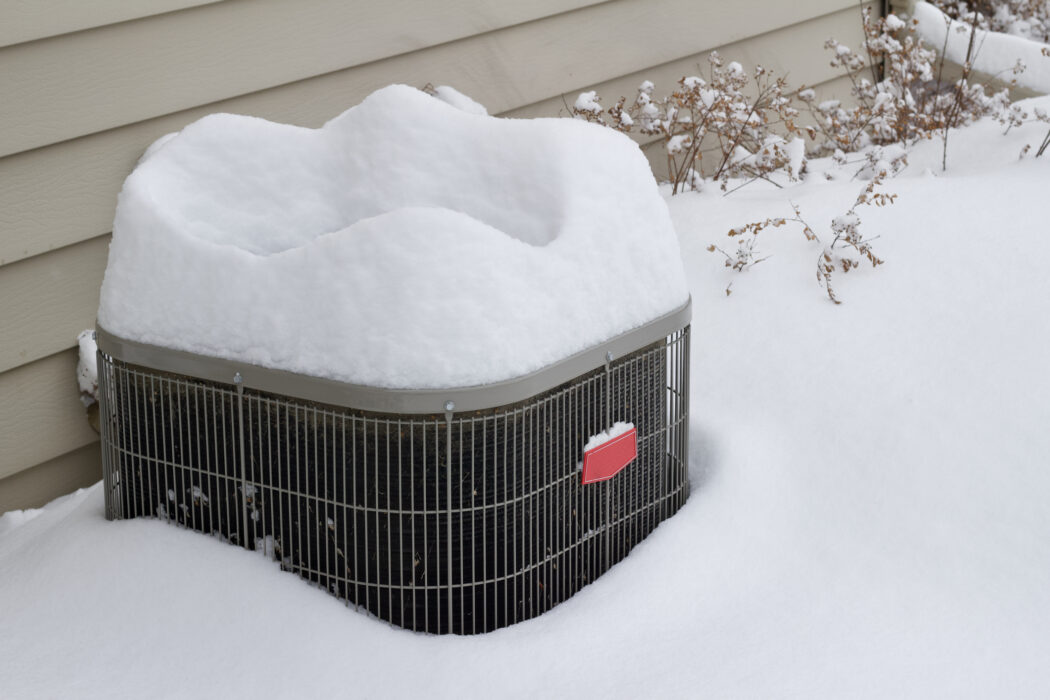
- Keep the outdoor unit clear of snow, ice, and leaves.
- Never chip ice off the equipment. If the unit remains iced over, submit an emergency maintenance request online and call 717-947-3900, Extension 2.
- Understand that heat pumps may run longer and produce air that feels cooler than the air from a conventional furnace.
- Avoid large thermostat adjustments, which may activate more expensive backup heating.
Important for every home: We recommend keeping your thermostat at 55°F or higher, even when you are away. A steady temperature helps protect plumbing and reduces the risk of frozen pipes.
How to Prevent Frozen Pipes During Winter
Frozen pipes are among the most common and expensive winter maintenance problems. When water freezes inside a pipe, the pressure can cause the pipe to burst and flood your home.
Take these precautions during freezing weather:
- Keep your thermostat at 55°F or higher, including when you travel.
- Open cabinet doors under kitchen and bathroom sinks on very cold nights, especially when temperatures fall below 20°F. This allows warm air to reach plumbing.
- Allow faucets on exterior walls to drip slightly during extreme cold when appropriate.
- Disconnect garden hoses from outdoor spigots before the first freeze.
- Keep garage doors closed if water lines run through the garage.
- Know where your main water shutoff valve is located. Contact us if you need help identifying it.
What to Do if a Pipe Freezes or Bursts
If you discover a frozen or burst pipe, act quickly:
- Shut off the water at the main shutoff valve if it is safe and you can do so.
- Submit an emergency maintenance request online.
- Call 717-947-3900, Extension 2, immediately.
- Never use an open flame to thaw a frozen pipe.
Quick action can limit water damage and help prevent a small plumbing issue from becoming a major repair.
Winter Home Safety Reminders
A few additional precautions can help protect your home throughout the season.
- Keep doors and windows closed and locked.
- Report drafts, damaged weatherstripping, and broken window seals.
- Keep dryer, furnace, and other exhaust vents clear of snow and ice.
- Follow your lease requirements for clearing walkways, steps, and other areas around your home.
Snow and Ice Removal: Know Your Responsibilities
Your lease determines whether you or the property owner is responsible for snow and ice removal. Some residents must clear their own walkways, steps, porches, and driveways, while other properties receive owner-arranged snow removal.
If you are unsure who is responsible for your property, contact our maintenance team through the Trademark Real Estate Services contact page before the first snowfall.
Renter is responsible for snow and ice removal:
- Clear walkways, steps, porches, and driveways promptly after snowfall ends.
- Apply ice melt or sand to slippery areas as needed.
- Keep access paths to oil fill pipes, propane tanks, and gas meters clear for deliveries and utility workers.
- Remove snow from furnace, dryer, and other exhaust vents to prevent heating problems and potential carbon monoxide exposure.
- Use a broom rather than a shovel around gas meters, heat pumps, and outdoor equipment.
- Avoid piling snow against your home’s foundation, window wells, or outdoor heat pump unit.
Property owner handles snow removal:
Keep vehicles and personal belongings out of the way of plows and maintenance crews. Let us know if an area is missed or becomes dangerously icy.
Heating Safety: Protect Your Household
Winter heating requires special attention to fire prevention and carbon monoxide safety.
What to Do if You Smell Gas
If you smell gas inside your home:
- Leave the home immediately.
- Do not operate light switches, use your phone indoors, or start a vehicle in an attached garage.
- Once safely outside, call your gas or propane company’s emergency line or 911.
- After reaching safety, contact Trademark Real Estate Services at 717-947-3900, Extension 2.
Do not reenter the home until emergency personnel or the utility provider confirms it is safe.
Test Smoke and Carbon Monoxide Detectors
- Test smoke and carbon monoxide detectors monthly.
- Replace batteries as needed.
- Report any detector that is not working.
- If a carbon monoxide alarm sounds, get everyone outside immediately and call 911.
Carbon monoxide is an odorless, potentially deadly gas. Never ignore an alarm or assume it is malfunctioning.
Use Space Heaters Safely
If you use a portable space heater:
- Choose a model with automatic tip-over shutoff protection.
- Keep the heater at least three feet from anything that can burn.
- Plug it directly into a wall outlet rather than an extension cord.
- Never leave it running while you sleep or leave home.
Never use an oven, stove, or outdoor grill to heat your home. These appliances can produce dangerous levels of carbon monoxide or create a fire hazard.
Fireplaces and Wood Stoves
Only use fireplaces and wood stoves if your lease permits them. Contact Trademark Real Estate Services before using them for the first time each heating season.
When Should You Contact Trademark Real Estate Services?
We encourage residents to report heating and maintenance concerns as soon as they arise. Early reporting helps us address problems before they become more serious.
Submit an emergency maintenance request online AND call 717-947-3900, Extension 2, if:
- Your heat stops working or cannot keep your home above 60°F.
- Your oil or propane supply is low and the property owner is responsible for fuel.
- You discover a water leak, frozen pipe, burst pipe, or water damage.
- Your heating system makes unusual noises or produces unusual smells.
- A smoke detector or carbon monoxide detector is not working.
For a suspected gas leak or a sounding carbon monoxide alarm, leave the home and call the appropriate emergency services first.
After-hours maintenance emergencies: 717-947-3900, Extension 2.
For general questions about your lease, heating responsibilities, or winter maintenance, visit https://trademarkres.com/contact/.
Prepare Today for a Safer, More Comfortable Winter
Winter preparation doesn’t have to be complicated. By monitoring your heating fuel, caring for your heating system, preventing frozen pipes, following snow removal requirements, and reporting maintenance concerns promptly, you can help protect your home and avoid unnecessary winter emergencies. Thank you for helping Trademark Real Estate Services care for your home this winter.
By monitoring your heating fuel, maintaining a safe indoor temperature, preventing frozen pipes, following snow removal requirements, and reporting maintenance concerns promptly, you can help protect your home and avoid unnecessary repairs. Keep these Winter Home Maintenance Tips for Renters handy throughout the season, and contact our team whenever you need assistance. Together, we can help make winter safer, more comfortable, and more manageable for everyone.